
Iceland in September: Weather, Driving and the Real Trade-Offs
September combines useful daylight, dark aurora nights and fewer peak-summer visitors, but it is not one consistent season. This guide explains how weather, roads and daylight change through the month, and how to plan an Iceland road trip that still works when conditions change.
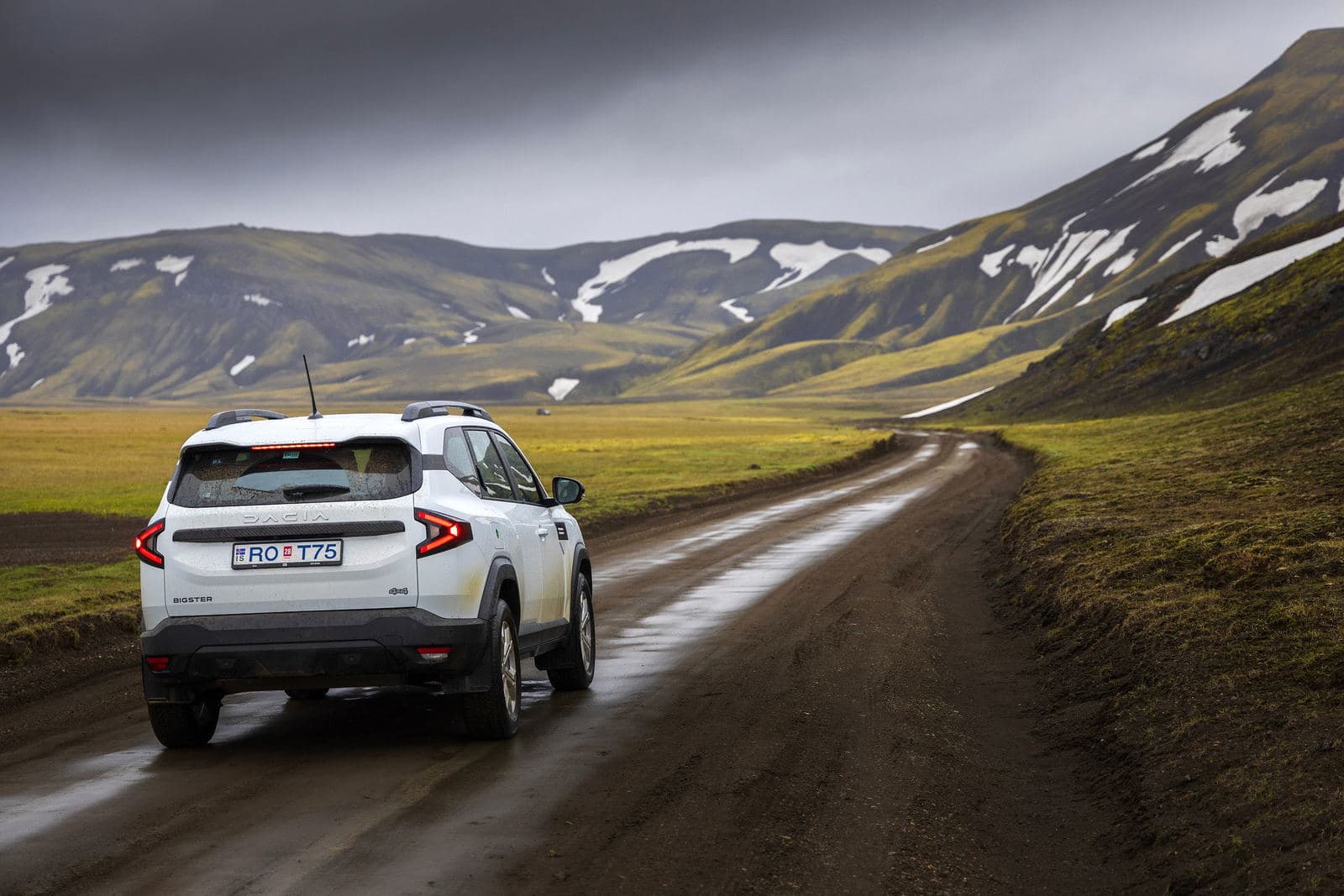
September is often sold as the perfect compromise in Iceland: fewer visitors than summer, enough daylight for road trips and dark nights for the Northern Lights. That can all be true. What most guides leave out is that September is not one consistent travel season.
A trip during the first week can still feel close to late summer. By the final week, frost, snow and difficult driving conditions may already be affecting mountain passes, the Highlands and parts of North Iceland. Reykjavík can be mild while a route several hours away is facing an entirely different day.
That does not make September a bad time to visit. It makes it one of Iceland's most rewarding months for travellers who stay flexible. The real advantage is not simply being outside peak summer. It is the rare overlap between useful daylight, autumn landscapes, open lowland routes and proper darkness at night.
This guide explains what September actually changes, where monthly averages can mislead you and how to build an Iceland road trip that still works when the forecast changes.

The quick answer: is September a good time to visit Iceland?
Yes, September can be one of the best months to visit Iceland, particularly when you want to combine daytime sightseeing with a realistic chance of seeing the Northern Lights.
It suits travellers who are comfortable making decisions as they go. You should expect:
- Around 14 hours 33 minutes of daylight in Reykjavík at the beginning of the month, falling to roughly 11 hours 27 minutes by 30 September
- A 1991-2020 September average in Reykjavík of about 8.6°C, with warmer, colder, wetter and windier periods all possible
- Main paved routes that are normally accessible, although autumn or even winter conditions can occur
- Some Highland roads still open early in the month, with no guarantee that they will remain open
- Dark nights for aurora viewing without the very short days of midwinter
- Fewer summer visitors, but not an empty country or guaranteed availability
September is less suitable when your itinerary depends on one specific Highland road, requires perfect weather every day or leaves no room to shorten a route.
Fewer visitors does not mean an empty Iceland
Official Keflavík Airport departure counts give useful scale to the idea of shoulder season. The Icelandic Tourist Board counted about 311,000 foreign passenger departures in August 2025 and 224,000 in September, a drop of roughly 28%.
That is a meaningful reduction, but September still brought more than 200,000 departures. Expect less pressure than peak summer in many places, not solitude at Gullfoss or an empty car park at Seljalandsfoss. The practical advantage is a little more breathing room, while popular vehicles and accommodation can still sell out.
September is three different travel periods
The biggest mistake is planning for an imaginary average day in the middle of the month. Early, middle and late September do not offer the same road trip.
Early September: late-summer freedom with autumn warnings
The first part of September usually provides the month's longest days and the strongest chance that summer-only routes are still accessible.
You may still be able to plan longer sightseeing days, visit areas that become harder to reach later and drive without spending much time in darkness. Nights are already returning, however, and the weather can turn quickly. An open Highland road on the day you arrive is not a promise that it will remain open until the end of your trip.
Early September is the best part of the month for travellers hoping to combine conventional road trips with a possible Highland detour. Treat that detour as a bonus, not the foundation of the entire itinerary.
Mid-September: the balance point
By the middle of September, Reykjavík has around 13 hours of daylight. That is still enough for a substantial day trip, but the night is now properly dark.
This is the month's most balanced period for many visitors. You can spend the day on the Golden Circle or South Coast, return to Reykjavík for dinner and still have a realistic Northern Lights window later that evening.
The compromise is that autumn weather is becoming more influential. Long routes need earlier starts, and the Highlands are increasingly uncertain.
Late September: when winter enters the plan
Late September is not deep winter, but winter conditions can appear in autumn. SafeTravel’s driving guidance specifically warns that winter conditions can occur in spring and autumn, not only in winter.
By 30 September, sunset in Reykjavík is around 19:00. Frost becomes more realistic inland and at elevation, and early snow may affect northern routes or mountain passes. A rigid Ring Road plan becomes less forgiving because a lost day is harder to recover when daylight is shorter.
Late September can still be excellent. The autumn atmosphere is stronger, the nights are longer and popular locations may feel calmer. You simply need a more conservative route and a genuine backup plan.
Daylight changes faster than most itineraries do
Temperature gets most of the attention, but daylight may have a bigger effect on your road trip.
Approximate Reykjavík daylight for September 2026 is:
- 1 September: sunrise 06:10, sunset 20:43, about 14 hours 33 minutes
- 15 September: sunrise 06:51, sunset 19:54, about 13 hours 3 minutes
- 30 September: sunrise 07:34, sunset 19:01, about 11 hours 27 minutes
That is a loss of more than three hours during one month, or roughly six and a half minutes each day. Exact times shift slightly from year to year, so check a current Reykjavík sunrise and sunset calendar for your dates.
This loss of light changes the practical shape of a trip:
- A route that feels relaxed on 3 September can feel rushed on 27 September
- Waterfalls, viewpoints and unplanned photo stops consume more of the available day
- Driving back to Reykjavík after dark becomes increasingly likely
- Weather delays are harder to absorb
- A long list of stops becomes a safety problem if the only way to finish it is to hurry

The right response is not to drive faster. It is to remove one or two stops.
The itinerary deletion rule
Before leaving Reykjavík, divide the day's stops into three groups:
- Must see: the one or two places that justify the drive
- Worth seeing: stops you will make if time and conditions remain good
- Easy to remove: places you can skip without feeling that the day failed
If wind, rain, traffic or daylight slows the trip, delete from the third group first. This simple rule prevents a delayed morning from turning into a rushed evening on unfamiliar roads.
It also creates better travel days. Iceland rewards unplanned moments, but only when your schedule leaves room for them.
Why the average September temperature tells only half the story
The 1991-2020 September average for Reykjavík is about 8.6°C. That number is useful for understanding the season, but weak as a packing list or driving forecast.
Official Icelandic Met Office records show how much one September can differ from another:
- In September 2024, Reykjavík averaged 6.9°C, which was 1.7°C below the 1991-2020 average
- In September 2025, Reykjavík averaged 9.3°C, which was 0.7°C above the same average
- In September 2021, Iceland recorded 24.0°C at Egilsstaðir Airport on 1 September and -7.6°C at Kárahnjúkar on 27 September. Snow also reached inhabited areas in the Westfjords and North Iceland near the end of that month
The lesson is not that September is dangerously unpredictable every day. It is that a monthly average can hide the exact conditions that determine whether your route works.
Ask four questions instead:
- Which week of September am I travelling?
- Which region am I driving through?
- Does the route cross exposed ground or a mountain pass?
- What can I remove or replace if conditions deteriorate?
Reykjavík weather is not your route forecast
Looking out of a Reykjavík hotel window is not enough to judge the South Coast, Snæfellsnes, the Golden Circle or North Iceland.
Iceland's mountains, glaciers, fjords and coastlines create sharp regional differences. Reykjavík may be wet while the route east is dry. The capital may be calm while strong crosswinds affect an exposed section of road elsewhere. The opposite can also happen.
When checking the Icelandic Met Office forecast, follow the entire route rather than checking only your starting point and final destination. Pay particular attention to:
- Wind speed and gusts
- Weather warnings
- Rain and low cloud
- Temperature near mountain passes
- The time conditions are expected to worsen or improve
A forecast that says rain is often manageable. A forecast showing strong wind across an exposed route may require a different plan, especially in a high-sided vehicle.
September's hidden advantage: daylight and darkness together
September is one of the few months when Iceland can provide a full sightseeing day and a proper aurora night.
In summer, the sky may not become dark enough. In deep winter, darkness is plentiful but daylight limits how much you can comfortably explore. September sits between those extremes.
There is another interesting detail. NASA notes that the aurora is most often observed in March and September. September also brings the return of genuinely dark nights in Iceland. That improves the seasonal opportunity, but it is not a guarantee. You still need solar activity, darkness and a clear view of the sky.
The most useful rule is this:
A modest aurora forecast under clear skies is more valuable than a strong forecast behind solid cloud.
Use the Icelandic Met Office aurora forecast to compare both auroral activity and cloud cover. Do not focus only on the activity number.
You also do not need to drive hundreds of kilometres north to see the Northern Lights. On a clear night, moving beyond Reykjavík's strongest light pollution can be enough. Our guide to hunting the Northern Lights in Iceland explains how to choose a viewing area without turning the night into an unsafe chase.
Plan the aurora around tomorrow's drive
A common September mistake is staying out late for the Northern Lights and then beginning a long road trip early the next morning.
Aurora hunting can involve several hours of waiting, and the lights may appear much later than expected. If you have a long drive planned the following day, decide in advance which matters more.
A better approach is to pair aurora nights with:
- A Reykjavík day
- A shorter Golden Circle plan
- A nearby geothermal stop
- A later start with fewer attractions
- A second driver who is genuinely rested
Read our guide to driving in Iceland at night before planning late returns on unfamiliar roads.
Are Iceland's F-roads open in September?
Some may be open, particularly early in the month. Others may close as conditions change. There is no single date when the Highlands shut for winter.
This is where generic month guides become dangerous. A sentence saying that "F-roads are open in September" may be technically true for one road on one day and completely wrong for your route a week later.
The Icelandic Road and Coastal Administration explains that mountain-road access depends on snow, wet ground and current conditions. Its official mountain-road information and live road map should decide the trip, not an old blog or saved screenshot.

For any Highland plan:
- Check the road on the day you intend to drive it
- Confirm that your exact rental vehicle is permitted on that road
- Expect conditions and river levels to change
- Keep a paved alternative you would genuinely enjoy
- Never drive around a closure or leave the marked road
Our detailed F-road guide explains vehicle rules, closures, river crossings and how to read the official road information.
Do you need a 4x4 in Iceland in September?
Not automatically.
A small rental car can be suitable for Reykjavík, the Golden Circle and the paved South Coast in normal conditions. Choosing September does not by itself create a need for four-wheel drive.
A 4x4 rental in Iceland may be the better fit when you want more luggage space, higher ground clearance or a vehicle suited to rougher approved roads. It is required for F-roads, but only when the road is open and the rental agreement permits that route.
The important distinction is this:
A 4x4 expands the roads you may be allowed to use. It does not make a closed road, severe warning or unsafe weather acceptable.
Choose the vehicle from the route, passenger count and luggage, not from the month name alone. You can compare the full RRC fleet before deciding.
Which September routes make sense from Reykjavík?
The smartest September route is often the one that can change direction.
Using Reykjavík as a base gives you several very different day-trip options. If one area has poor conditions, another may be more suitable.
Golden Circle
The Golden Circle is a strong September option because the main route is paved, the distances are manageable and the trip can be shortened without ruining the day.
Start early enough to enjoy Þingvellir, Geysir and Gullfoss without turning the drive back into a race against darkness. Our guide to driving the Golden Circle covers the route and practical stops.
South Coast to Vík
The South Coast can work well throughout September when conditions are suitable. Seljalandsfoss, Skógafoss and Vík can fit into a day from Reykjavík, but late-month daylight makes a heavily packed schedule less sensible.
Wind matters here. Exposed sections and Reynisfjara require more respect than a simple distance estimate suggests. Before visiting, read our guide to Reynisfjara black sand beach, and always follow local warning signs.
Reykjanes Peninsula
Reykjanes is useful when you want a shorter driving day, changing weather or a late start after an aurora night. The peninsula offers lava landscapes, geothermal areas and exposed coastline without committing to a long cross-country route.
Access around volcanic or geothermal areas can change. Check official alerts before departure and never enter a closed area.
West Iceland
Borgarnes, Hvalfjörður and parts of West Iceland can provide a strong alternative when conditions to the south are poor. Akranes and the lower parts of West Iceland can also work as shorter day trips, while Snæfellsnes requires a longer and more weather-sensitive day.
For more options, see our guide to self-drive day trips from Reykjavík.
The Reykjavík reset day
Leave one day without a fixed long-distance booking.
If the forecast is good, use it for the Golden Circle, Reykjanes, West Iceland or another drive. If a warning affects your planned route, spend the day in Reykjavík and move the drive to a better window.
This is not a wasted day. It is the buffer that protects the rest of the trip.
A flexible day also reduces the temptation to drive into poor conditions simply because an accommodation or activity has already been paid for.
A five-minute morning routine that can save the day
Before every September drive, use three official sources:
- Check the Icelandic Met Office for weather warnings, wind and precipitation along the full route
- Check Umferðin for road conditions, closures, cameras and measured roadside weather
- Check SafeTravel for travel alerts and safety guidance
Then ask:
- Is the route open?
- Is the forecast improving or deteriorating during the hours I will be there?
- Where is the most exposed section?
- What is my turnaround point?
- Which stops will I remove if the day runs late?
Google Maps can estimate distance, but it should not overrule official road closures or safety information. SafeTravel advises travellers not to rely on navigation apps alone for closed or impassable roads.
Review our Iceland driving safety guide before your trip, then repeat this check each morning. September rewards people who update the plan.
Réttir: the September experience most visitors never plan for
September is the season of réttir, Iceland's traditional sheep and horse roundups.
After spending the summer grazing freely, sheep are gathered from the mountains and sorted into family pens before returning to farms for winter. These events take place around Iceland from early September into October and combine farm work, family tradition, food and local celebration.
Visit Iceland describes many roundups as open to spectators, and some allow visitors to take part. Check the official réttir information and calendar before travelling, as dates and locations vary.
Even when you are not attending a roundup, be prepared to meet sheep near rural roads. Slow down early and give farmers and animals space. Sheep do not always move in the direction a driver expects.
Réttir is a better example of September Iceland than another generic top-ten attraction. It is seasonal, local and impossible to recreate in July or December.
What most September packing lists get wrong
The problem is not forgetting one special autumn item. It is burying useful clothing under luggage while the weather changes outside.
Keep a small day bag inside the car with:
- A waterproof and windproof outer layer
- An insulating fleece, wool or lightweight down layer
- Hat and gloves
- Waterproof footwear
- Spare warm socks
- Water and a snack
- A charged power bank
SafeTravel’s clothing guidance recommends a windproof and waterproof outer layer, insulating wool, fleece, synthetic or down layers, and warm waterproof footwear. It advises against cotton as an outdoor base layer.
Keep the outer layer accessible. A waterproof jacket at the bottom of a packed boot is not useful when a five-minute stop turns into horizontal rain.
September travel claims worth treating carefully
"September is quiet"
It is generally less busy than peak summer, but popular sites still attract visitors and specific vehicle groups or accommodation can sell out. Fewer crowds does not mean you can leave every booking until arrival.
"The Ring Road is open"
The Ring Road normally remains open, but individual sections can face wind, snow, flooding or temporary closures. Open does not always mean comfortable for every driver at every hour.
"You can see the Northern Lights"
You can, but darkness alone is not enough. Cloud cover and solar activity still determine what you see.
"The Highlands are still open"
Some roads may be. Your exact road and date are what matter.
"A 4x4 solves bad weather"
It does not. Vehicle capability never replaces a safe forecast, an open road and sensible decisions.
Renting a car in Reykjavík in September
A car rental in Reykjavík works particularly well in September because it lets you choose the day's direction after checking conditions.
Reykjavik Rent A Car has a central city location, so travellers staying downtown can collect a vehicle without building the whole trip around an airport pickup. See our Reykjavík pickup location before planning collection.
For paved city and day-trip routes, a small car or medium car may be enough. For permitted Highland travel or routes where you need more space and ground clearance, compare the available 4x4 options. Always review the vehicle terms and car rental insurance options before booking. Base rentals include CDW, while additional packages can reduce your liability and Platinum insurance reduces the excess to 0 ISK.
The best September booking is not automatically the largest car. It is the car that suits the route you can safely and realistically drive.
Still deciding between dates? Compare what changes in our guides to Iceland in August and Iceland in October.