
A Guide to Iceland in August
August marks the start of a transitional season in Iceland, where the season slowly begins to shift into fall. But the beauty of Iceland’s late summer is that it’s still technically summer, meaning there are still plenty of daylight hours to explore Iceland, combined with amazing activities and festivals as well as agreeable weather.
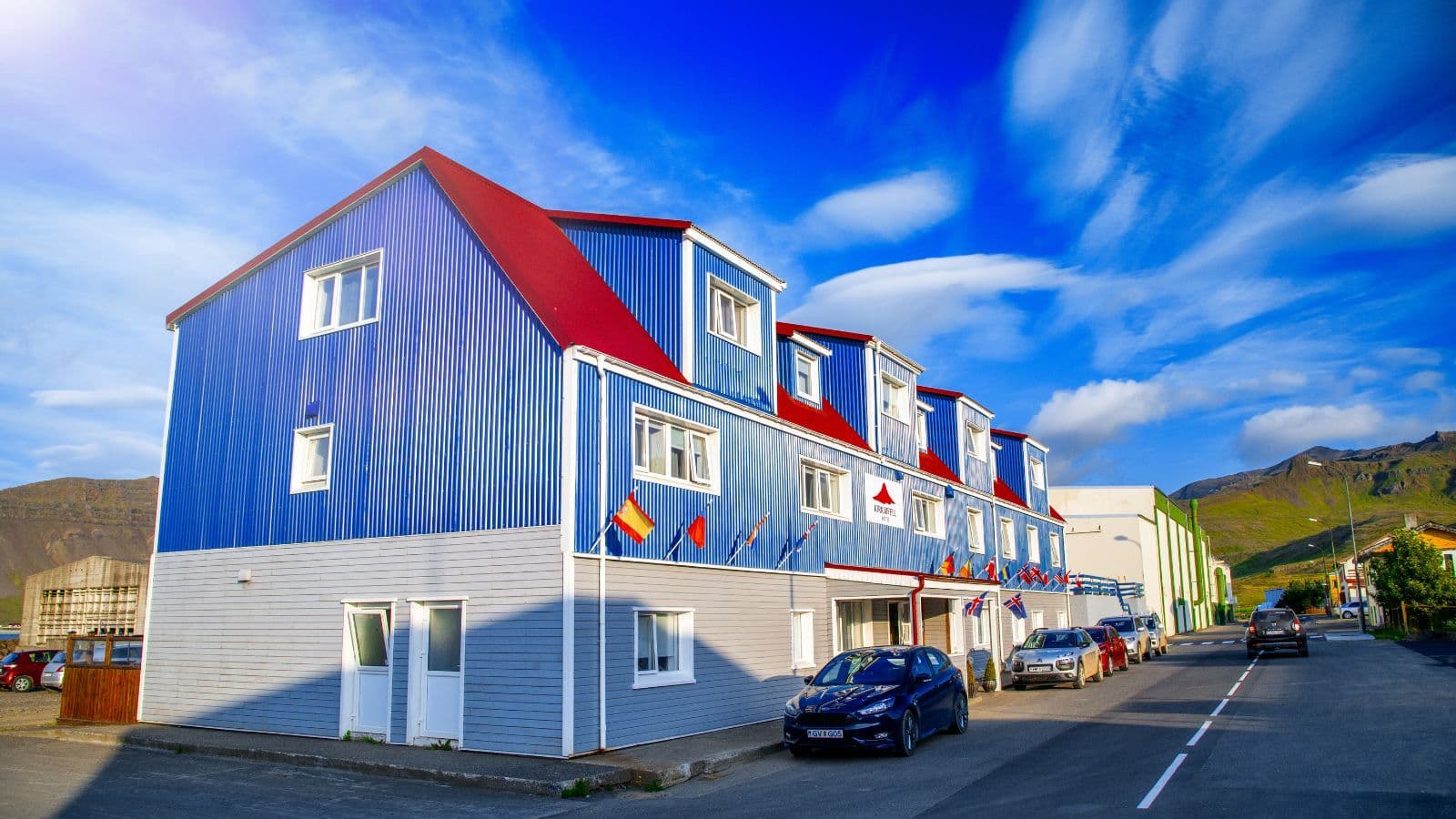

August is a great time to visit Iceland, with mild temperatures and extended daylight. It’s ideal for exploring Iceland’s dramatic landscapes, from waterfalls to volcanic Highlands.
August marks the start of a transitional season, as summer slowly begins to shift into fall. The beauty of late summer is that Iceland still enjoys long daylight hours and pleasant weather, along with amazing activities and festivals.
In this guide, we’ll cover everything you need to know about visiting Iceland in August, from what to expect from the weather to unmissable experiences.
Why Visit Iceland in August?
August is one of the best months to experience Iceland at its most travel-friendly and scenic. Most F-Roads are open to 4x4 vehicles, popular sites like the Golden Circle and South Coast are easy to explore by car, and there’s plenty of daylight to pack your visit with adventure.
In August, Iceland is alive with wildlife, outdoor festivals, and lush green scenery. Puffins are still nesting, whale watching is highly successful, and the landscapes are dotted with wildflowers. By late August, the skies darken for a few short hours each night, which means you might even be lucky enough to spot the Northern Lights.
If you want to explore Iceland comfortably, without the extremes of winter or the closures of early spring, August offers a good balance of weather, access, and unforgettable experiences.
Iceland Weather in August
August offers some of the most pleasant weather of the year in Iceland, making it a popular time for road trips and outdoor adventures. While the weather can still be unpredictable at times, conditions are relatively stable and mild compared to other times of the year.
Average Temperature****s in August
Let’s face it - it just doesn’t get hot in Iceland. That being said, August is one of the warmest months of the year, and your last chance to experience summer before the island slips into fall. Here’s what you can expect in terms of temperatures in Iceland during August:
- Reykjavík & South Iceland: 10-14°C (50-57°F), but occasional warmer days can reach 16-20°C (61-68°F).
- North Iceland & East Fjords: Generally a little cooler, with typical highs of 8-12°C (46-54°F).
- Westfjords & Highlands: Cooler evenings, with low temperatures dropping to 5-10°C (41-50°F) at night.
Keep in mind that the weather can change quickly; packing layers is essential to ensure you are prepared for all possible temperatures.
Rain & Wind in Iceland in August
- Rainfall: August sees a bit more rain than the other summer months, with up to 23 days of rain throughout the month, depending on where you are in the country. No matter where you are, showers tend to be light and brief, though the odd storm can occur later in August.
Wind: Apart from the Highlands, winds tend to be lower in the earlier part of August. Towards the end of the month, high winds or gusts become more commonplace as we shift into fall.

Daylight Hours in August
August still offers long summer days in Iceland, but daylight hours gradually shorten as the month progresses. Worry not, though - you’ll still have more than enough time to pack in all your explorations.
- Early August: Around 18 hours of daylight, with the sun setting around 10:30-11:00 PM.
- Mid-August: About 16-17 hours of daylight, with earlier sunsets around 9:30-10:00 PM.
- Late August: Around 14-15 hours of daylight, with the sun setting before 9:00 PM.
Top Things to D****o in Iceland in August
Simply put, August is a lively and exciting month in Iceland! In addition to hiking, puffin watching, whale watching tours, and the activities you can enjoy in June and July, there’s a wealth of activities unique to late summer that you simply have to check out.
1. Celebrate Reykjavík Culture Night (MenningarNótt)
Held in mid-August, the country looks forward to this wonderful festival of culture, marking the city’s anniversary. This is one of Iceland’s biggest annual celebrations, transforming the city into a vibrant hub of music, art, and street performances. The festival culminates in a spectacular fireworks display, bringing locals and visitors together for a night of culture, creativity, and community spirit.
2. Feel the Pulse of Þjóðhátíð Festival
Located in the Westman Islands, this festival takes place on the weekend prior to the first Monday of August. Featuring live performances, bonfires, fireworks, and a legendary crowd singing event, it’s a unique celebration of Icelandic music, tradition, and community.
3. Go Berry Picking in Iceland’s Countryside
August kicks off Iceland’s delicious berry season! Grab a basket and take part in this wholesome tradition. Sample wild blueberries, crowberries, and bilberries in areas like Þingvellir National Park, Heiðmörk Nature Reserve, and the East Fjords. A popular local pastime, it’s a great way to enjoy Icelandic nature while gathering fresh, antioxidant-rich treats straight from the earth.

4. Cast Your Line in Pristine Waters
If you’re an avid fishing enthusiast, August is a great time for you to visit Iceland! This is prime fishing season in Iceland, with abundant salmon, trout, and Arctic char in rivers and lakes like Laxá in North Iceland, Þingvallavatn, and the East Fjords. Visitors need a fishing permit (veiðileyfi), which can be purchased from local landowners, fishing lodges, or online, and must follow strict catch-and-release rules in many areas to protect fish stocks. Just imagine yourself relaxing in the shallows beneath the balmy August sun and catching your own dinner! What a way to connect with the land.
5. Snorkel & Dive in Iceland’s Underwater Wonderland
Snorkeling in Iceland in late summer offers a unique chance to explore the crystal-clear glacial waters of Silfra, a rift between the North American and Eurasian tectonic plates in Þingvellir National Park. With water visibility exceeding 100 meters and a steady temperature of around 2-4°C (35-39°F) year-round, Silfra is one of the world’s top cold-water snorkeling sites. August’s milder air temperatures make it a more comfortable time to experience this breathtaking underwater landscape, with dry suits provided to keep you warm.

6. Take a Thrilling 4x4 Adventure to The Highlands
August is your golden ticket to 4x4 adventure in Iceland’s wild Highlands. Conquer the legendary F-Roads and uncover hidden treasures like the vibrant rhyolite mountains of Landmannalaugar and the otherworldly volcanic landscapes of Askja. Complete your exploration with a soothing dip in natural hot springs at Hveravellir.
August really is a wonderful time to visit Iceland. While it may be a busier time of year, there’s a good reason for that, given the long days, nice weather, and full agenda of fun things to do. Our team of experts is on hand should you have any questions about renting a car to make getting around Iceland easier during your holiday.