
Guide to the Westfjords
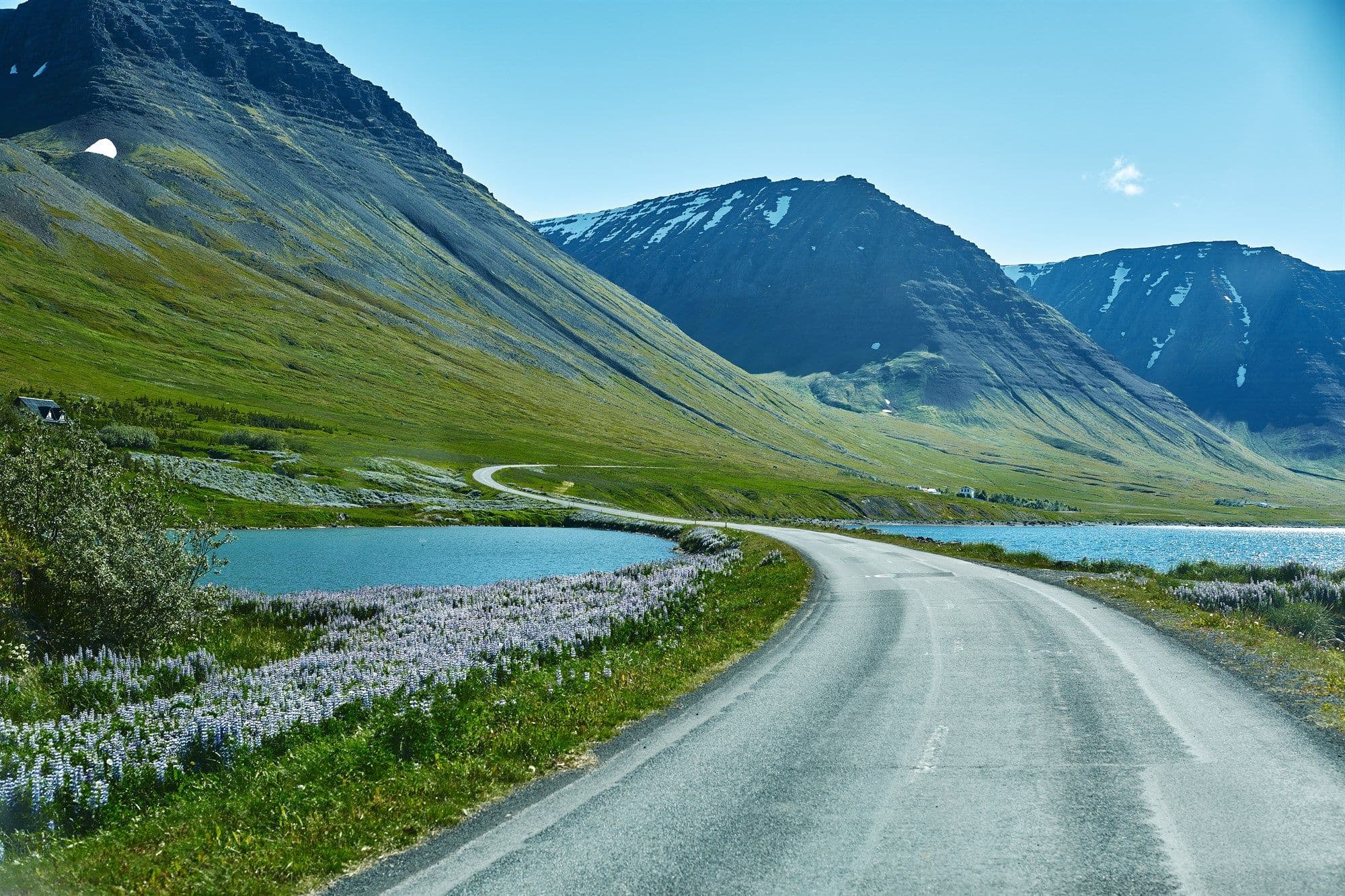
The Westfjords region is a large peninsula in north western Iceland and is well known for its remote and stunning natural beauty. The high mountains and undisturbed landscapes make the Westfjords a great place to spot wildlife.
Updated December 10th 2025
The Westfjords of Iceland are renowned for raw beauty, tranquillity, and fewer crowds than other parts of the island. This remote corner of Iceland can offer you some of the country’s most unforgettable landscapes, an array of wildlife, and more. But what do you need to know before visiting? From how to get there and what to do once you arrive, our guide will give you all the information you need about Iceland’s wondrous Westfjords.
What are the Westfjords?

The Westfjords are one of Iceland’s most remote and sweeping regions; a vast, mountainous peninsula, fringed by dramatic fjords cutting into the landscape. Wildlife thrives in this rugged landscape, and small fishing villages dot a coastline shaped by thousands of years of natural forces. Known in Icelandic as Vestfirðir (“the Western Fjords”), the region is defined by deep, glacier-carved inlets and rugged peaks that create some of the most striking scenery in the country.
Despite making up nearly 10% of Iceland’s landmass, the Westfjords are home to less than 3% of its population. This gives the area a unique atmosphere: quiet, wild, and blissfully untouched. Travelers come here to experience what feels like the last frontier of Iceland, for an escape from the crowded highlights of the south and a chance to immerse themselves in true wilderness.
Where are the Westfjords and how do you get there?
The Westfjords are situated in the far northwest corner of Iceland, forming a dramatic peninsula that stretches into the Denmark Strait. The region is separated from the rest of the country by deep fjords and high mountains, giving it a distinctly “cut-off” feeling, with the benefit of being perfectly reachable with a bit of planning.

Geographically, the Westfjords begin where the Ring Road curves north, near the town of Búðardalur. From here, a series of scenic winding roads leads you into a landscape of cutting peninsulas, steep sea cliffs, and quaint fishing villages. The “capital” of the region, Ísafjörður, sits on the northern side of the peninsula and acts as the main hub for services, tours, and accommodation.
The best way to travel to this region is with a rental car. To get to the start of the Westfjords from Reykjavík by car, the drive will take you roughly 2-3 hours without stopping. But where’s the fun in that? The route offers many chances to stop and enjoy the scenery, so don’t rush. You’ll follow the Ring Road north out of the capital before turning onto Route 60, which leads you into the heart of the Westfjords region. To get all the way to Ísafjörður from Reykjavík would take 5-6hours of non-stop driving.
What is there to see and do in the Westfjords?
The Westfjords may be remote, but they still offer some of the most spectacular natural attractions, cultural experiences, and outdoor adventures in all of Iceland. From dramatic cliffs and wildlife-packed nature reserves to quirky museums and geothermal pools, this region is full of unforgettable sights. Here are the top things to see and do.
Hornstrandir Nature Reserve
The Hornstrandir Nature Reserve is the least populated region of Iceland and is the best place to take hiking trips throughout the mountainous landscapes. There is a rich abundance of flora and fauna, great for spotting wildlife. The native Arctic fox can sometimes be spotted when looking carefully, as they can be well camouflaged in the wintry landscapes. They are very cautious of humans, so it is important to be careful when looking for one.

Seals are also commonly sighted on the rocks along the coastline. Due to the lack of grazing animals in Hornstrandir, there is a wealth of plant life, making it fascinating for anyone with an interest in nature.
Krosseneslaug
Krosseneslaug is a geothermal infinity swimming pool on the beach north of Norðurfjörður. It is considered an infinity pool because of its magnificent views it has over the sea, with nothing blocking the view between the two waters. The area is very remote and overlooks a wild black pebble beach.
When swimming in the pool, many people get the sensation that they are swimming in the sea due to the infinity effect - except it’s a lot warmer. The experience is unique, and the pool is surrounded by a beautiful landscape. You can often see whales in the ocean, breaking the surface of the cold Icelandic waters with their flukes.
You can only access Krosseneslaug from mid-May to August, due to its location. The icy roads for the rest of the year can make the journey to Krossneslaug a dangerous one, so always plan ahead of your journey.
The Fjords
The fjords themselves hold immense beauty, with the mountainous land stretching high above the waters below. The best way to explore them is to get in the car and go on a tour of the fjords, so that you can experience them totally free, following your own personal itinerary. The fjords are winding, deep, narrow, and filled with seawater, a defining feature of Iceland’s rugged coastline.
Ísafjörður
Ísafjörður is known as the capital of the Westfjords and is the only official town in the area. There are many things there to keep you entertained, with several popular bars and restaurants. The Maritime Museum is a bonus and can prove popular with anyone interested in the history of the Icelandic waters. Ísafjörður has some of the oldest buildings in Iceland, some dating back to the 18th century. For a slice of history, visit this small town!
Hólmavík
The settlement of Hólmavík is a small fishing village in the Westfjords. It is home to the Museum of Sorcery and Witchcraft, where visitors can learn about magic and Iceland. The small village of Hólmavík is very interesting and has a sheep farming museum – perfect for those interested in agriculture!
Dynjandi Waterfall
Sometimes called the “jewel of the Westfjords,” Dynjandi is a jaw-dropping multi-tiered waterfall, cascading more than 100 metres down a mountain face, giving the effect of a bridal veil. It’s easily one of Iceand’s most stunning waterfalls. To get to the waterfall, there is a short but scenic hike from the parking area. It makes for a perfect midday stop between larger attractions and is located on the western side of the region.

Látrabjarg Cliffs
Látrabjarg is one of the absolute highlights of the Westfjords and a must-see for anyone visiting the region. Rising up to 440 metres above the North Atlantic and stretching for an incredible 14 kilometres, these dramatic sea cliffs form the westernmost point of Iceland. They’re not just visually stunning, they’re also one of the best birdwatching destinations in Europe. Here, you can glimpse puffins, Arctic terns, northern fulmars, kittiwakes, razorbills, guillemots, and more.
For the best experience, visit between May and August when many species will be nesting along the cliffs.

Outdoor Experiences
If you’re drawn to open horizons, rugged trails, and the feeling of being far from the modern world, the Westfjords are one of the best outdoor destinations in Iceland. With untouched wilderness, dramatic coastlines, and a landscape shaped by ice and ocean, this region offers endless ways to explore beyond the beaten path. Whether you’re hiking on remotfe cliffs, kayaking through mirror-calm fjords, or spotting wildlife in pristine nature reserves, the Westfjords deliver unforgettable adventure.
Where to hike in the Westfjords:
- Hornstrandir Nature Reserve
- Trails Around Dynjandi
- Ísafjörður Valley & Surrounding Peaks
- Rauðisandur & Coastal Walks
Where to kayak in the Westfjords:
- Ísafjörður
- Flateyri & Önundarfjörður
- Patreksfjörður & Southern Fjords
Where to watch wildlife in the Westfjords:
- Puffins and seabirds on the cliffs at Látrabjarg
- Arctic foxes roam freely in Hornstrandir
- Whales and dolphins offshore in several fjords
- Seals lounging on rocks and beaches
Westfjords Accommodation
Accommodation in the Westfjords is cozy, welcoming, and often beautifully remote, but options are more limited than in other parts of Iceland, so it’s important to plan ahead. Expect charming guesthouses, family-run lodges, small hotels, and scenic campsites rather than large chains.

The best places to base yourself include:
- Ísafjörður (Northern Westfjords): offering the most amenities and accommodation options. Ideal for exploring Hornstrandir.
- Patreksfjörður (Southern Westfjords): A great base for visiting Látrabjarg Cliffs, Rauðisandur Beach, and Dynjandi. Small-town charm with good services, a few restaurants, and beautiful coastal views.
- Hólmavík (Eastern/Entry Point): A convenient stop when entering the Westfjords, with a couple of guesthouses and the Sorcery & Witchcraft Museum nearby. Good for travellers planning slower journeys or splitting longer drives.