
Do You Need a 4x4 in Iceland, or Is a Normal 2WD Car Enough?
Do you need a 4x4 or a regular car in Iceland? We answer that, and more in this guide to choosing the right rental for you.
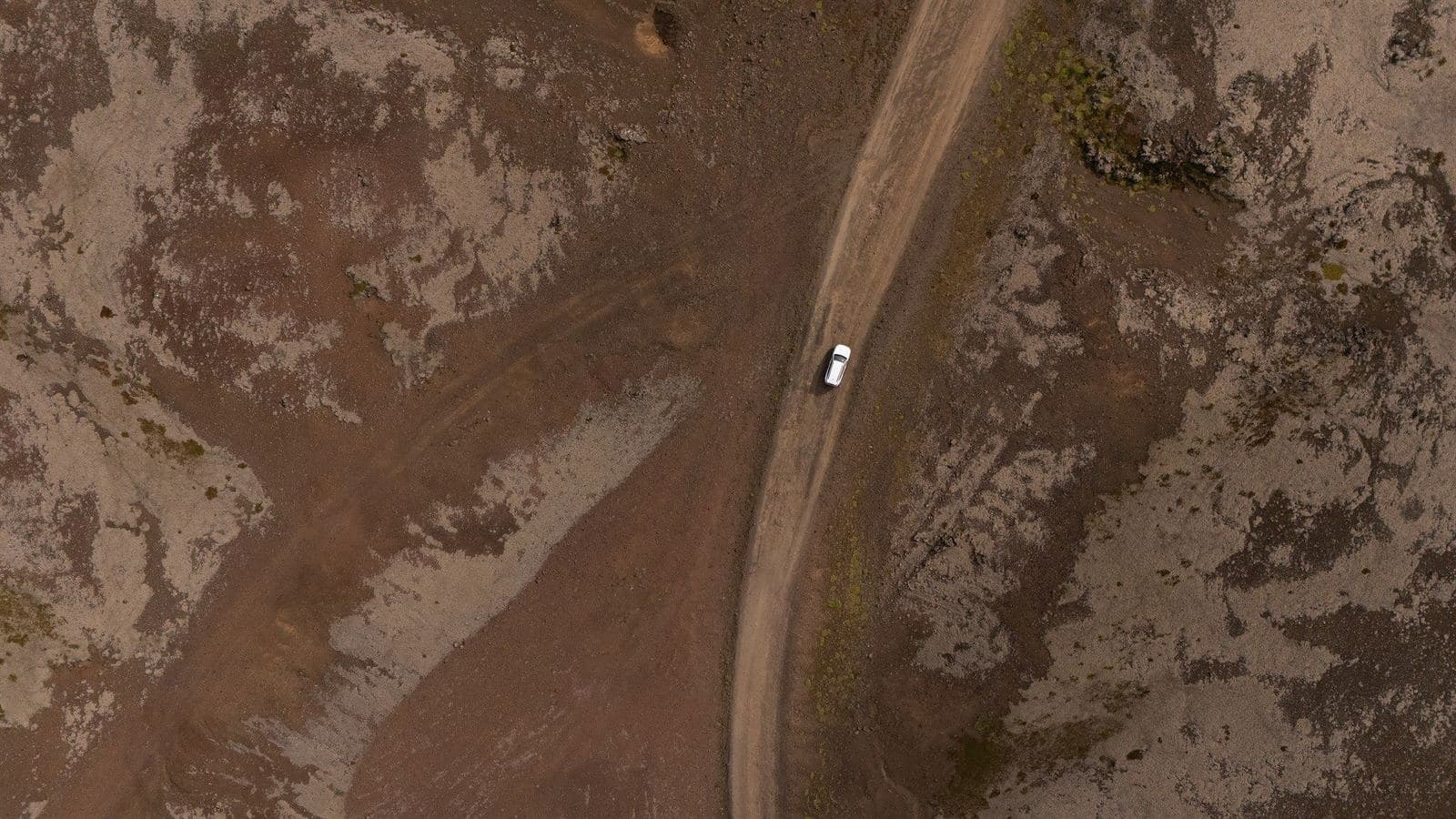
If you are planning a trip to Iceland and wondering whether you really need a 4x4 or if a regular 2WD car will do, you are not alone. It is one of the most common questions travelers ask before booking. The right answer depends on when you visit, where you plan to drive, and how much flexibility you want day to day.
Summary
- Summer on paved routes (Reykjavik, Golden Circle, South Coast, most of the Ring Road): A 2WD is usually enough.
- Winter or shoulder season with wind, snow, or ice risk: A 4x4 is strongly recommended for stability and traction.
- Highlands and F-roads: You need a capable 4x4. A 2WD is not suitable and may invalidate coverage if you push into restricted routes.
- Not sure yet: Choose based on your toughest planned day, not your easiest.
Quick Decision Table: 4x4 vs Regular 2WD Car in Iceland
| Scenario | Best choice | Why |
|---|---|---|
| Ring Road in summer, paved roads only | Regular 2WD car | Good road conditions, better fuel efficiency, lower rental cost |
| South Coast in shoulder season (spring or autumn) | 4x4 SUV | More stable in wind, higher clearance on mixed surfaces |
| Winter driving on main roads | 4x4 SUV | Improved traction on snow and ice, added confidence in changing weather |
| Highlands and F-roads (summer only) | 4x4 SUV | Required for rough gravel and variable conditions on mountain roads |
| City stays or Golden Circle in summer | Regular 2WD car | Compact, easy to park, cost-effective for short drives |
What Is the Real Difference Between a 4x4 and a Regular 2WD Car?
- Traction and drivetrain: 4x4 vehicles can deliver power to all four wheels when needed, improving control on snow, loose gravel, and muddy surfaces. Many regular cars are front wheel drive and are excellent on paved roads.
- Ground clearance: 4x4s typically sit higher, reducing the chance of scraping the underside on uneven surfaces, ruts, or deeper gravel.
- Weight and stability: SUVs are often heavier, which can help in strong crosswinds, but they may use more fuel.
- Fuel efficiency: Regular cars are lighter and generally cheaper to run on long paved stretches.
4WD or 2WD: Advice for Popular Routes
Golden Circle
In summer and normal conditions, a regular 2WD car is perfect for exploring this scenic loop. Roads are paved, well maintained, and easy to navigate. If your plan is the classic Golden Circle day trip with standard stops, you do not need a 4x4. If you are visiting in winter, or you want the option to detour onto rougher side roads, a 4x4 gives you extra margin.
Ring Road
The Ring Road (Route 1) is Iceland’s main highway and it is open year round, but conditions can vary wildly by season and region. In summer, a 2WD is typically ideal for comfort and efficiency. In winter, a 4x4 is a smarter choice for added traction and stability if you encounter snow, ice, or storms. For a broader overview of road types, weather realities, and driving preparation, see The Best Guide to Driving in Iceland.
Highlands and F-roads
Mountain routes marked with an F are rough, remote, and only open during the summer months. These roads can include deep gravel, sharp rocks, steep sections, and unbridged rivers. A proper 4x4 with good clearance is essential. If the Highlands are on your wish list, start with Exploring the Icelandic Highlands to plan realistically.
How to Read Iceland’s Road Signs and Route Warnings
An F before the road number indicates a mountain road where a 4x4 is expected. Warning triangles often signal hazards like loose gravel, narrow bridges, or steep grades. In remote areas, signs may be the only heads up you get before conditions change, so slow down early and drive defensively.
Summer vs Winter Driving: What Changes for Vehicle Choice?
Summer
Most popular routes are straightforward in summer. A 2WD car is typically all you need for Reykjavik, the Golden Circle, the South Coast, and the Ring Road, as long as you stay on main roads and drive sensibly on gravel sections.
Winter
In winter, a 4x4 is strongly recommended even if you plan to stick to main roads. Wind, blowing snow, black ice, and sudden whiteout conditions can appear quickly. If you are worried about winter conditions in and around the capital, this guide is a helpful starting point: How Much Does It Snow in Reykjavik?
Weather and Road Reality Checks
Conditions can change fast. Always check Road.is for road conditions and closures, and Vedur.is for real time weather and warnings. Even in summer, strong gusts and loose gravel can show up across the South and East, and single lane bridges demand extra attention.
Legal and Safety Considerations
- Off road driving is illegal anywhere in Iceland.
- F-roads are summer routes and require a suitable vehicle and sensible planning.
- Narrow bridges and blind hills require reduced speed and patience.
- River crossings are risky. Do not attempt them unless you truly know what you are doing and your route requires it.
For practical safety guidance and travel tips, see Your Safety in Iceland and Terms, Requirements and Emergencies.
How the Wrong Car Choice Can Affect Your Trip
Choosing a small 2WD car for winter or Highlands style travel can limit where you can go and may put you in uncomfortable, stressful situations if the weather turns. On the other hand, paying extra for a 4x4 when you only plan paved summer routes can waste budget and fuel. Match the car to the toughest conditions you might face, not the best case scenario.
Comfort, Luggage, and Space
- Regular cars: Great for solo travelers and couples with light to moderate luggage, and ideal for city driving and paved itineraries.
- 4x4 SUVs: Better for families, groups, winter trips, and anyone who wants more clearance and stability on mixed surfaces.
- Vans and minibuses: Best for larger groups or travelers who want maximum luggage space and comfort. See Van Rental in Iceland.
Fuel, Efficiency, and Budget
Regular cars usually deliver the best mileage on paved routes. 4x4 SUVs tend to use more fuel, but the tradeoff is flexibility and extra confidence in tougher conditions. If fuel planning is part of your itinerary, this guide helps with pricing and where to refuel: Petrol Prices and Gas Stations in Iceland.
Example Itineraries and Recommended Vehicle Type
City and Golden Circle (3 days)
Choose: Regular 2WD car for summer and mild conditions. If you are visiting in winter or want more flexibility, choose a 4x4.
South Coast to Vik (2 to 4 days)
Summer: Regular 2WD car is typically fine for the main route. Shoulder seasons and winter: 4x4 recommended for wind stability and unpredictable surfaces.
Ring Road (7 to 10 days)
Summer: Regular 2WD car for efficiency and comfort if you stay on main roads. Winter: 4x4 strongly recommended for traction and safety margin.
Highlands (when open)
Choose: 4x4 only. Plan carefully, check conditions daily, and expect slow travel.
Find the Right Vehicle for Your Trip
Use this quick guide to match your itinerary with the best rental option:
| Route | Recommended vehicle | Action |
|---|---|---|
| Reykjavik, Golden Circle, South Coast (summer) | Regular car | Browse small cars |
| Ring Road (summer) | Regular car or comfortable SUV | Browse the full fleet |
| Winter driving, mixed conditions | 4x4 SUV | Choose a 4x4 from our fleet |
| Groups with lots of luggage | Van or minibus | See van rental options |
Optional Extras That Actually Help in Iceland
If you want to make your trip easier, a few extras can be genuinely useful, especially in winter or for longer trips. See what is available here: Optional Extras.
Trusted by Travelers
Want a sense of real customer experiences before booking? Read recent feedback here: Reykjavik Rent a Car Reviews.
Ready to Book?
Match your car to your route and season, then book the vehicle that fits your plan. Start here to compare options across the full fleet: Browse and book your rental car.